How to Find a Clothing Manufacturer in Mexico: What Brands Need to Know
- Why Mexico is a Top Destination for Clothing Manufacturing
- Understanding Mexico's Clothing Manufacturing Regions
- Conducting Initial Research and Due Diligence
- Assessing Manufacturing Capabilities and Quality Standards
- Negotiating Terms and Pricing
- Understanding Logistics and Import Regulations
- Building Long-Term Partnerships
- Leveraging Technology and Industry Resources
- Key Considerations for Sustainable and Ethical Sourcing
- Common Pitfalls to Avoid
- Getting Started: Your Action Plan
Finding the right clothing manufacturer is one of the most critical decisions a fashion brand can make. Mexico has emerged as a premier destination for apparel production, offering competitive pricing, proximity to North American markets, and a rich manufacturing heritage. This comprehensive guide will walk you through the process of sourcing clothing manufacturers in Mexico, from initial research to final partnership agreements.
Why Mexico is a Top Destination for Clothing Manufacturing
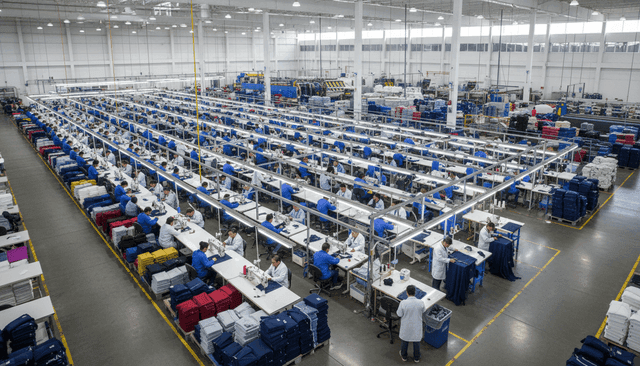
Mexico's strategic location, skilled workforce, and established supply chain infrastructure make it an attractive choice for brands seeking reliable clothing manufacturers. The country benefits from trade agreements like USMCA, which provides tariff advantages for products manufactured in Mexico. Additionally, Mexican manufacturers have decades of experience producing everything from basic cotton apparel to complex technical fabrics, making the country suitable for brands at any production scale.
The proximity to the United States and Canada reduces shipping times and costs compared to Asian manufacturers, allowing for faster product development cycles and more responsive inventory management. Many Mexican factories also maintain certifications in labor standards and environmental compliance, which is increasingly important for brands committed to ethical sourcing.
Understanding Mexico's Clothing Manufacturing Regions
Mexico's textile and apparel industry is concentrated in specific regions, each with distinct specializations. The state of Puebla is known for its large concentration of factories and skilled workers, while Guadalajara has become a hub for innovation and higher-end production. The Bajío region, including cities like León and Aguascalientes, specializes in footwear and leather goods but also produces quality apparel.
Understanding these regional strengths helps brands identify manufacturers best suited to their specific product needs. Coastal regions like Yucatán have also developed manufacturing capabilities, often with lower labor costs and access to Caribbean trade routes. Researching which regions specialize in your product category—whether it's denim, activewear, formal wear, or sustainable fabrics—will streamline your sourcing process.
Conducting Initial Research and Due Diligence
Begin your search by identifying potential manufacturers through multiple channels. Industry directories, trade associations, and online platforms dedicated to wholesale trade and factory discovery are excellent starting points. The Mexican government's ProMéxico initiative provides resources and databases of certified manufacturers. Additionally, attending trade shows like Texfair Mexico or connecting with industry consultants can provide valuable introductions.
When evaluating potential partners, request detailed information about their production capacity, minimum order quantities (MOQs), lead times, and quality certifications. Ask for references from existing clients and, if possible, connect with other brands they work with to understand their reliability and communication standards. This due diligence phase is crucial for avoiding costly mistakes later in the partnership.
Assessing Manufacturing Capabilities and Quality Standards
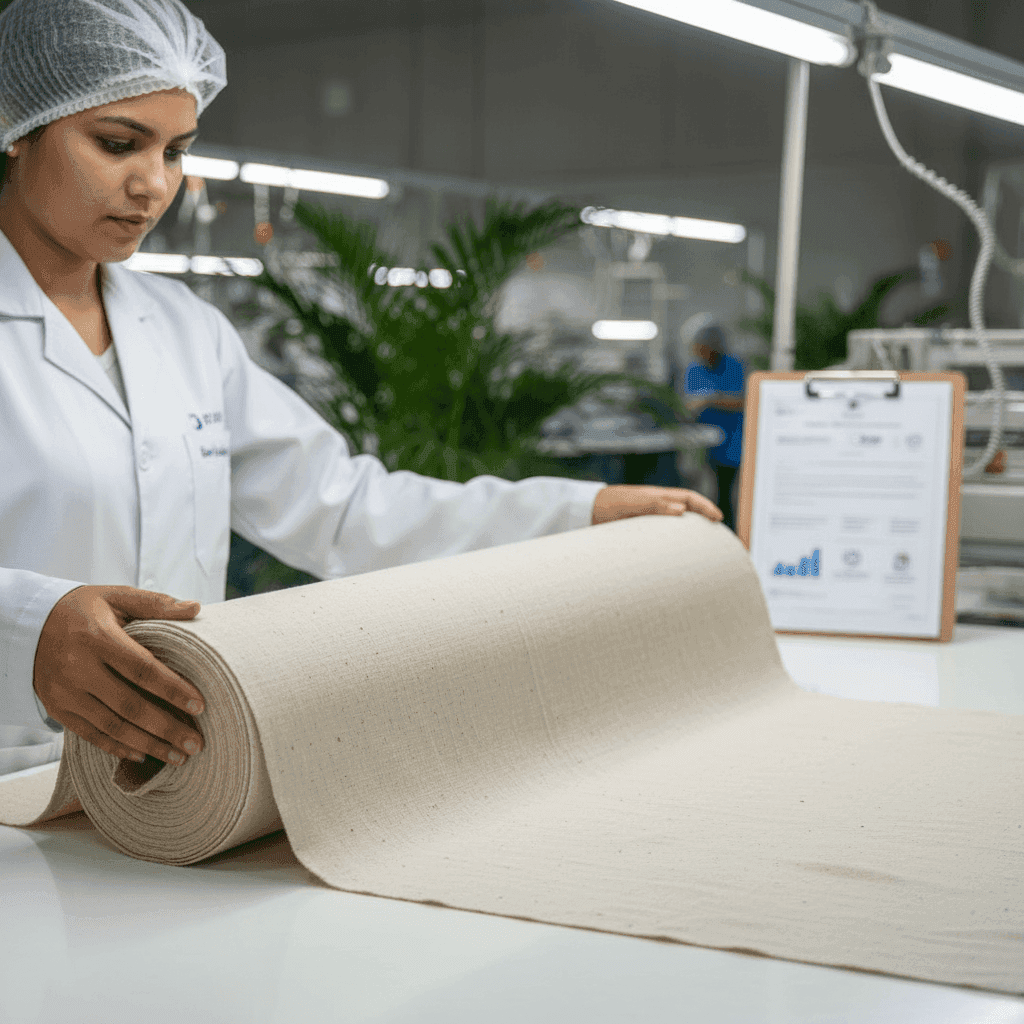
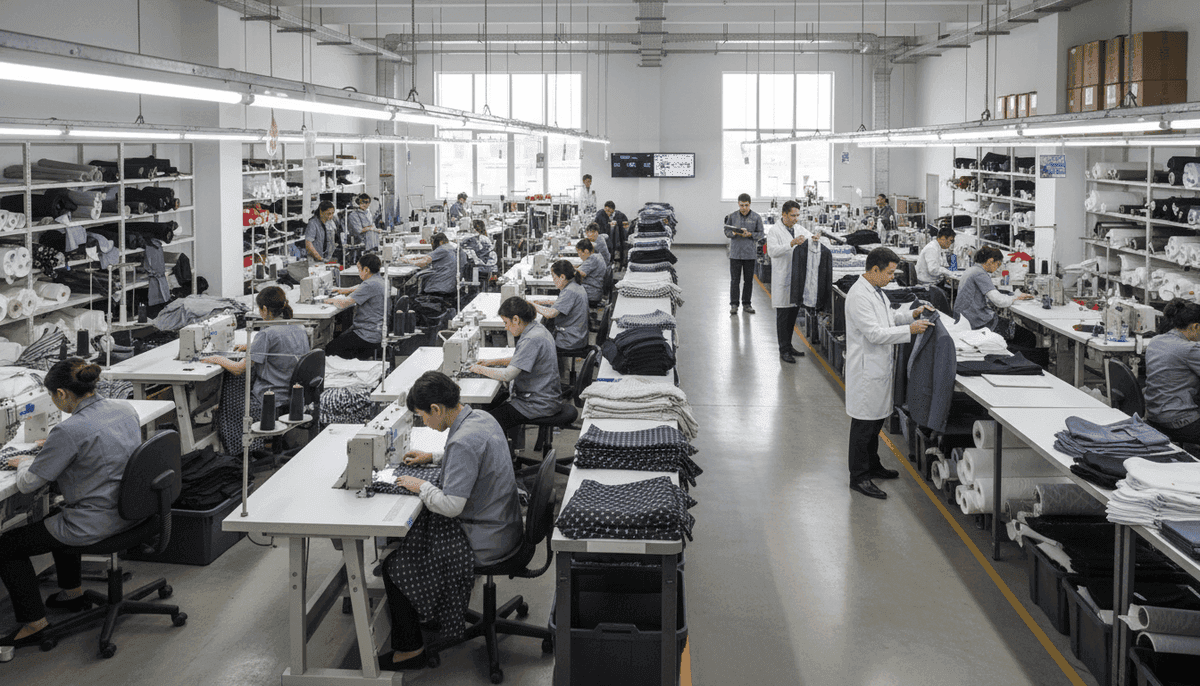
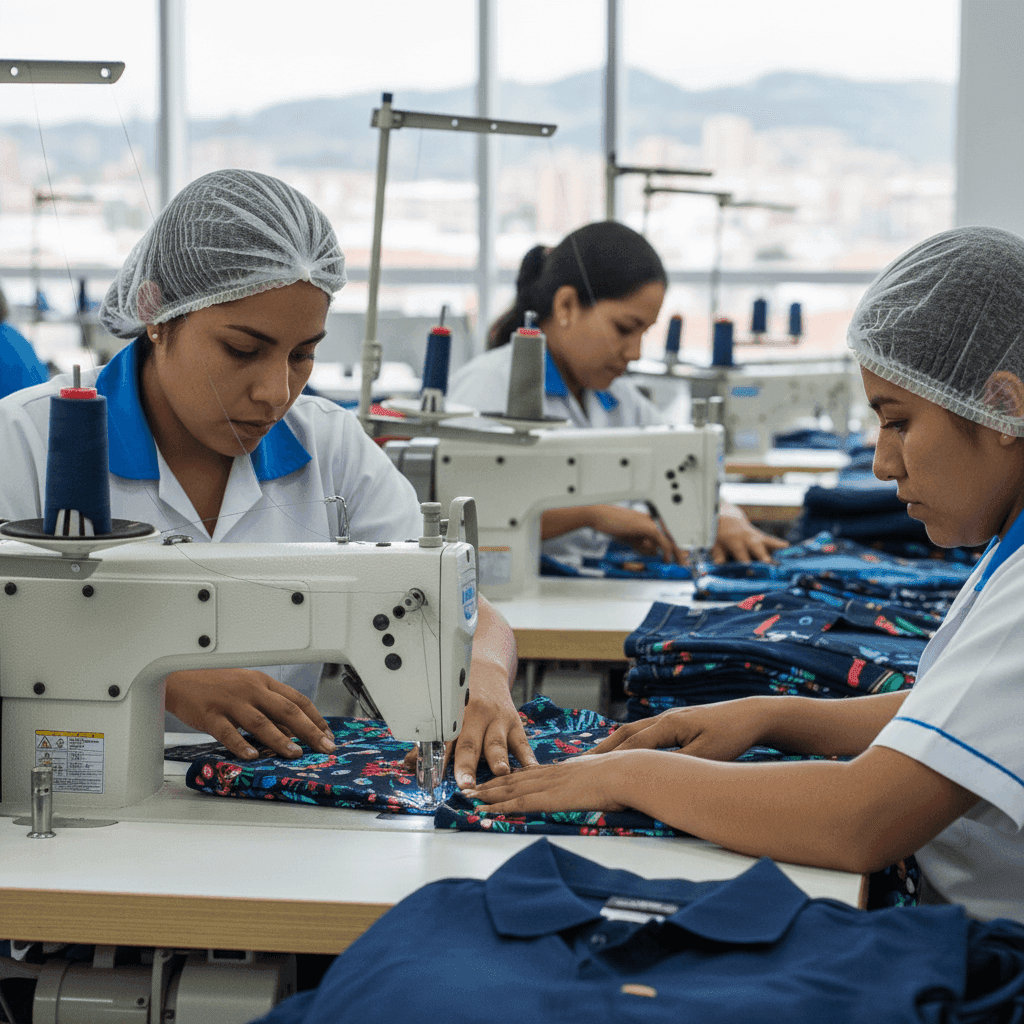
Not all clothing manufacturers are created equal. Evaluate potential partners based on their technical capabilities, equipment, and quality control processes. Visit factories in person whenever possible to assess their operations firsthand. Look for manufacturers with modern machinery, organized production floors, and documented quality assurance procedures.
Request samples before committing to large production runs. A reputable manufacturer should be willing to produce samples at a reasonable cost, allowing you to evaluate their workmanship, attention to detail, and ability to meet your specifications. Pay attention to seam quality, fabric consistency, color accuracy, and finishing details. This sample phase is your opportunity to identify any potential issues before full-scale production.
Negotiating Terms and Pricing
Pricing is a significant factor in manufacturing decisions, but it should never be the only consideration. While Mexican manufacturers often offer competitive rates compared to other regions, extremely low quotes may indicate quality compromises or hidden costs. Request detailed cost breakdowns that include fabric, labor, overhead, and profit margins.
Negotiate payment terms, lead times, and minimum order quantities that align with your business model. Many manufacturers offer tiered pricing based on order volume, so understanding your production forecast helps secure better rates. Discuss payment methods—whether deposits, milestone payments, or letters of credit—and ensure all terms are documented in a formal agreement.
Understanding Logistics and Import Regulations
Successful sourcing extends beyond manufacturing to logistics and compliance. Familiarize yourself with USMCA rules of origin, which determine tariff eligibility for products manufactured in Mexico. Understanding fabric sourcing requirements and production processes that qualify for preferential trade treatment can significantly impact your landed costs.
Work with freight forwarders experienced in US-Mexico trade to arrange shipping, handle customs documentation, and manage import compliance. Many manufacturers can coordinate logistics, but it's important to understand your options and associated costs. Factor in shipping times, port of entry considerations, and any additional duties or fees when calculating total landed costs.
Building Long-Term Partnerships
The best sourcing relationships are built on trust, clear communication, and mutual respect. Once you've selected a manufacturer, invest time in building a strong partnership. Regular communication, fair payment practices, and reasonable expectations contribute to long-term success. Many brands find that working with the same manufacturer over time leads to improved quality, faster turnaround times, and better pricing.
Consider visiting your manufacturing partner regularly and maintaining open lines of communication about product development, market trends, and business goals. Manufacturers who understand your brand vision and market positioning can become valuable partners in product innovation and quality improvement.
Leveraging Technology and Industry Resources
Modern sourcing increasingly relies on technology platforms that connect brands with manufacturers. Websites like Alibaba and specialized B2B platforms facilitate initial connections, though in-person verification remains essential. Industry publications and sourcing guides provide updated information on manufacturing trends and best practices in wholesale trade and factory discovery.
Consider working with sourcing agents or consultants who specialize in Mexican manufacturing. These professionals have established relationships with factories, understand local business practices, and can facilitate negotiations and quality control. While this adds a cost, it can save time and reduce risks, particularly for first-time importers.
Key Considerations for Sustainable and Ethical Sourcing
Modern consumers increasingly expect brands to source responsibly. When evaluating manufacturers, inquire about their labor practices, environmental standards, and certifications. Look for manufacturers with Fair Trade certification, ISO 14001 environmental management certification, or membership in industry sustainability initiatives.
Mexican manufacturers are increasingly adopting sustainable practices, from water conservation in dyeing processes to waste reduction programs. Partnering with environmentally conscious manufacturers not only aligns with consumer values but can also provide marketing advantages and long-term cost savings through efficiency improvements.
Common Pitfalls to Avoid
Several mistakes can derail sourcing efforts. Choosing manufacturers based solely on price often leads to quality issues and supply chain disruptions. Failing to conduct proper due diligence can result in partnerships with unreliable or unethical producers. Inadequate communication about specifications and expectations frequently causes production delays and quality problems.
Additionally, underestimating lead times, failing to account for all costs, and not having backup manufacturers can create vulnerabilities in your supply chain. Invest time upfront in thorough vetting and relationship building to avoid these common pitfalls.
Getting Started: Your Action Plan
Begin by clearly defining your product specifications, production volume requirements, and timeline. Research Mexican manufacturing regions that specialize in your product category. Identify potential manufacturers through industry directories and trade associations. Request information packets and samples from your top candidates. Schedule factory visits to assess capabilities firsthand. Negotiate terms with your preferred partner and formalize the relationship with a detailed manufacturing agreement.
For additional insights on international sourcing and manufacturing partnerships, explore resources from Thomas Net, which provides comprehensive manufacturer directories. The U.S. Small Business Administration also offers guidance on importing and international trade. Industry publications like Apparel News provide current trends in manufacturing and sourcing. For trade agreement information, consult the Office of the U.S. Trade Representative website. Additionally, ProMéxico offers official resources for connecting with Mexican manufacturers.
Finding the right clothing manufacturer in Mexico requires research, due diligence, and relationship building. By following this comprehensive guide and leveraging available resources, you can identify a reliable manufacturing partner that supports your brand's growth and quality standards. The investment in proper sourcing pays dividends through improved product quality, reliable supply chains, and sustainable business partnerships.