Minimum Order Quantities (MOQ) in Apparel Manufacturing: Negotiating Lower Minimums & Managing Inventory
- Understanding Minimum Order Quantities in Apparel Manufacturing
- Why Manufacturers Enforce High MOQs
- The Hidden Costs of High MOQs
- Strategies for Negotiating Lower MOQs
- Finding Flexible Suppliers and Alternative Manufacturing Models
- Calculating the True Cost of MOQs vs. Inventory Holding Costs
- Building Long-Term Supplier Relationships for MOQ Flexibility
- Practical Steps for Your Sourcing Strategy
- Conclusion
For small brands and startups entering the apparel manufacturing space, few obstacles loom as large as minimum order quantities (MOQs). These rigid thresholds force entrepreneurs to choose between over-ordering inventory that strains cash flow or abandoning manufacturing partnerships altogether. Understanding how to negotiate lower MOQs, identify flexible suppliers, and calculate the true cost of high minimums is essential for building a sustainable sourcing strategy.
Understanding Minimum Order Quantities in Apparel Manufacturing
A minimum order quantity is the smallest volume a manufacturer will produce for a single order. In apparel manufacturing, MOQs typically range from 500 to 5,000 units per style, depending on the factory's production capacity, specialization, and market positioning. Factories impose MOQs to optimize their production efficiency, reduce setup costs, and ensure profitability on smaller orders.
For brands sourcing from overseas manufacturers—particularly in countries like Vietnam, Bangladesh, India, and China—MOQs can be significantly higher than domestic alternatives. This reflects the complexity of international logistics, currency fluctuations, and the factory's need to justify the overhead of managing international wholesale trade relationships.
Why Manufacturers Enforce High MOQs
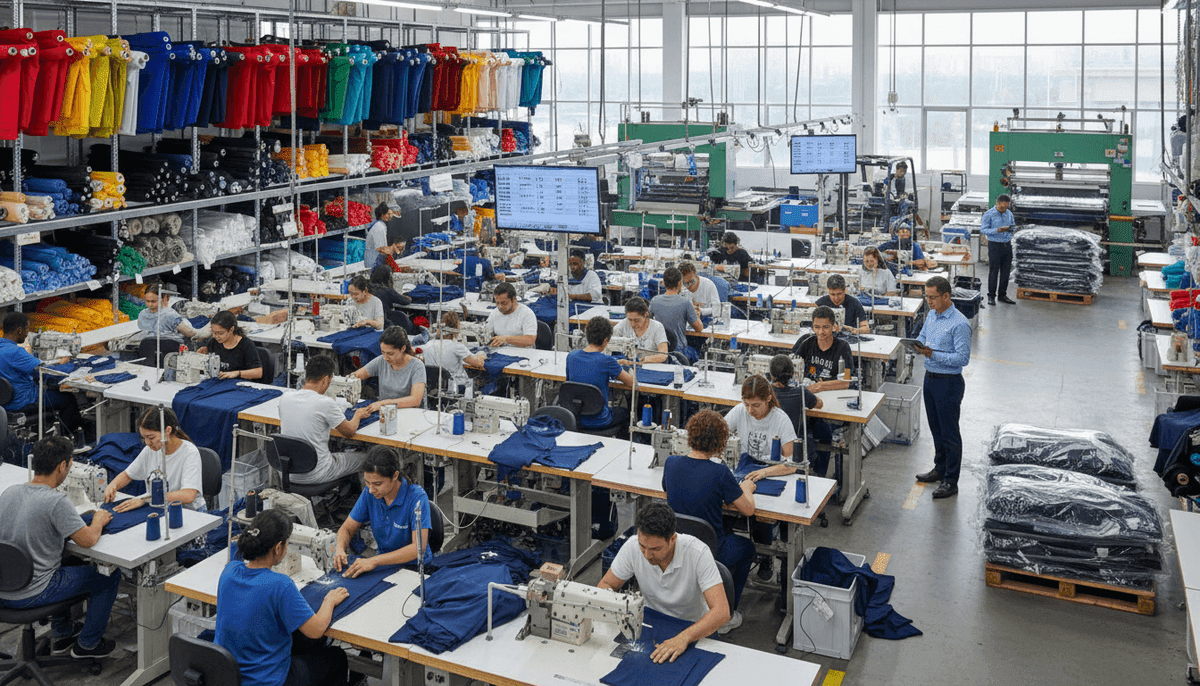
Apparel manufacturers enforce MOQs for several legitimate operational reasons. First, setup costs are substantial. Preparing production lines, sourcing raw materials, and configuring machinery for a specific style requires significant labor and resources. Spreading these costs across larger order volumes improves unit economics.
Second, fabric suppliers themselves often have MOQs. A factory ordering fabric for your 500-unit order may need to purchase 2,000 meters from their supplier, creating inventory risk if the order doesn't materialize. This cascading MOQ structure throughout the supply chain drives higher minimums at the factory level.
Third, factories prioritize production efficiency. Running smaller batches disrupts workflow and increases per-unit labor costs. Larger orders allow factories to maintain consistent production schedules and reduce quality control overhead.
The Hidden Costs of High MOQs
While manufacturers justify high MOQs through operational efficiency, small brands bear significant financial consequences. The most obvious cost is excess inventory. If your MOQ is 2,000 units but you can only sell 500 in your first season, you're holding 1,500 units of dead stock—capital that could have been invested in marketing, product development, or other growth initiatives.
Inventory holding costs compound this problem. Warehousing, insurance, and potential markdowns on unsold inventory can consume 20-30% of your product cost annually. For a brand with limited working capital, this transforms a seemingly reasonable MOQ into a cash flow crisis.
There's also the risk of product obsolescence. Fashion trends shift rapidly. An MOQ that forces you to hold inventory for 6-12 months increases the likelihood that styles become outdated before they sell, requiring steep discounts or write-offs.
Finally, high MOQs limit your ability to test new designs and markets. If you can't order small quantities to validate demand, you're forced to make larger bets on unproven products—a risky strategy for emerging brands.
Strategies for Negotiating Lower MOQs
Negotiating lower MOQs requires understanding your leverage and the manufacturer's constraints. Start by building a relationship with the factory before discussing MOQ reductions. Factories are more willing to accommodate flexible terms with partners they trust and expect to work with long-term.
Offer volume commitments. Instead of negotiating a lower MOQ for a single order, propose a total annual volume commitment. For example, you might negotiate an MOQ of 500 units per style if you commit to ordering 10,000 units across multiple styles throughout the year. This gives the factory revenue visibility and justifies the operational flexibility.
Consolidate your orders. If you're working with multiple manufacturers, consolidating production with a single factory increases your total volume and strengthens your negotiating position. Factories are more willing to reduce MOQs for partners who represent significant revenue.
Accept longer lead times. Manufacturers can reduce MOQs if you're willing to wait longer for production. This allows them to batch your order with other clients' production, spreading setup costs across multiple orders. If your product planning allows for 12-16 week lead times instead of 8 weeks, you have more negotiating flexibility.
Offer upfront payment or deposits. Reducing payment risk makes factories more comfortable with lower MOQs. Offering to pay 50-70% upfront demonstrates commitment and reduces the factory's financial exposure.
Consider shared tooling or design simplification. Factories can reduce MOQs if your designs use standard patterns, existing tooling, or simplified construction. Avoiding custom hardware, complex embroidery, or unique fabric blends reduces setup costs and makes smaller orders more viable.
Finding Flexible Suppliers and Alternative Manufacturing Models
Not all manufacturers operate under the same MOQ constraints. Identifying flexible suppliers requires understanding different factory types and their business models. Mid-tier factories—those producing 50,000-200,000 units annually—often have lower MOQs than large-scale manufacturers because they're more dependent on smaller brands for consistent orders.
Nearshoring to Mexico, Central America, or the Caribbean can provide lower MOQs than traditional Asian manufacturing. These regions offer shorter lead times, lower shipping costs, and factories accustomed to working with smaller US-based brands. Nearshoring has become increasingly popular for brands seeking flexibility.
On-demand manufacturing platforms and print-on-demand services eliminate MOQs entirely by using digital production methods. While per-unit costs are higher, these models work well for testing designs, managing niche products, or building direct-to-consumer brands without inventory risk.
Contract manufacturers specializing in small-batch production exist in most major manufacturing hubs. These factories deliberately target brands seeking flexibility and often have MOQs of 100-500 units. They charge premium per-unit prices but provide the flexibility that growing brands need.
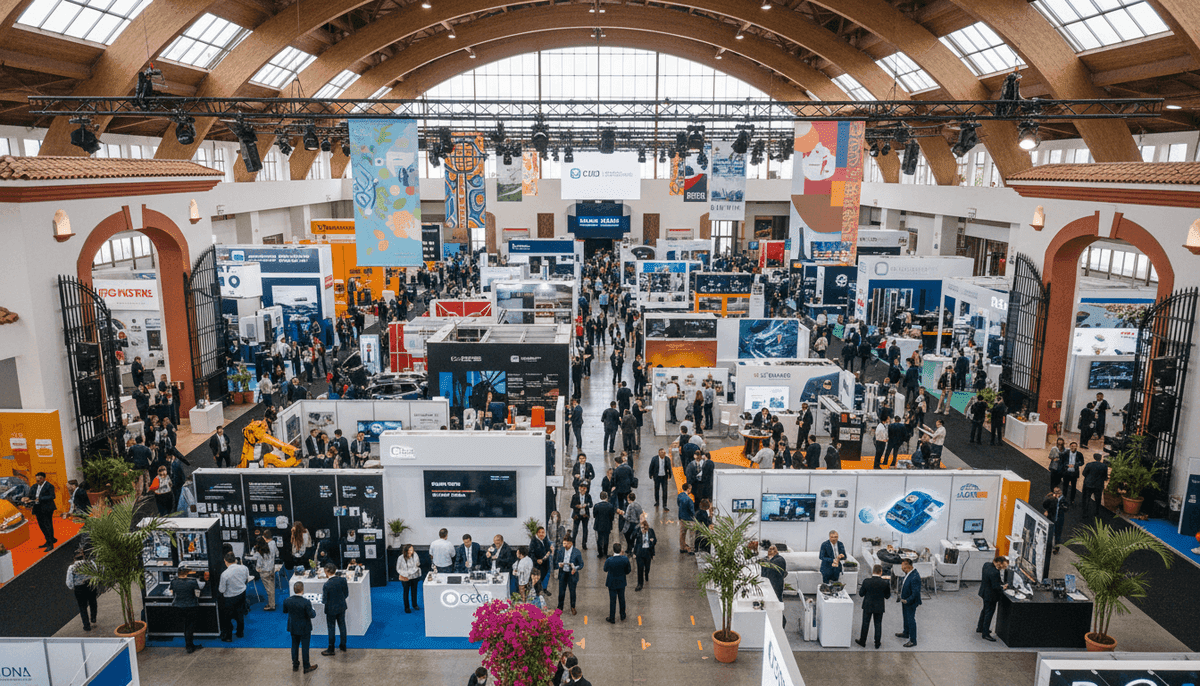
Exploring factory directories and wholesale trade platforms like Alibaba allows you to contact multiple manufacturers and compare MOQ policies. Many factories list their MOQs publicly, and direct communication often reveals flexibility not advertised online.
Calculating the True Cost of MOQs vs. Inventory Holding Costs
Making informed sourcing decisions requires comparing the per-unit cost savings of higher MOQs against the cost of holding excess inventory. This analysis reveals whether negotiating lower MOQs or accepting higher per-unit costs is financially optimal.
Start by calculating your inventory holding cost as a percentage of product cost. Industry benchmarks suggest 20-30% annually, but your specific rate depends on warehousing costs, insurance, shrinkage, and the risk of markdowns. If your product costs $10 and your holding cost is 25%, each unit costs an additional $2.50 per year in inventory expenses.
Next, compare MOQ scenarios. Scenario A: MOQ of 2,000 units at $8 per unit. Scenario B: MOQ of 500 units at $9.50 per unit. If you can only sell 500 units in your first season, Scenario A costs you $16,000 in inventory plus $2,500 in holding costs for unsold inventory (1,500 units × $2.50). Scenario B costs $4,750 with minimal holding costs. The lower MOQ saves $13,750 despite the higher per-unit cost.
This analysis should inform your factory selection and negotiation strategy. Sometimes accepting higher per-unit costs to reduce MOQs is the financially optimal decision for cash-constrained brands.
Building Long-Term Supplier Relationships for MOQ Flexibility
The most sustainable path to lower MOQs is building genuine partnerships with manufacturers. Factories that view you as a reliable, growing partner are far more willing to accommodate flexible terms than those treating you as a one-time transaction.
Demonstrate reliability by meeting payment deadlines, providing clear specifications, and maintaining consistent communication. Factories remember partners who respect their processes and don't create production problems through unclear requirements or last-minute changes.
Share your growth plans. If you can show a factory that you're scaling from 500-unit orders today to 2,000-unit orders within 18 months, they're more likely to invest in the relationship by reducing initial MOQs. This positions them as a partner in your growth rather than a vendor extracting maximum profit from each transaction.
Consider visiting the factory in person if possible. Face-to-face relationships build trust and allow you to understand the factory's constraints and capabilities firsthand. Many manufacturers are more flexible with partners they've met and developed personal relationships with.
Explore factory discovery platforms and industry networks to identify manufacturers with track records of working with small brands. References from other brands using the same factory provide valuable insights into their flexibility and reliability.
Practical Steps for Your Sourcing Strategy
Begin by auditing your current and projected sales. Understand how much inventory you can realistically sell in 6-12 months. This baseline prevents you from negotiating MOQs that still result in excess inventory.
Research multiple manufacturers before committing to any single factory. Compare their standard MOQs, willingness to negotiate, and per-unit pricing at different volume levels. This competitive landscape informs your negotiating position.
Prepare a professional proposal when approaching manufacturers about MOQ reductions. Include your volume commitments, payment terms, lead time flexibility, and long-term growth projections. Factories respond better to structured proposals than casual inquiries.
Start with smaller orders to test the relationship. Many manufacturers are willing to accept higher MOQs initially if you demonstrate reliability and growth potential. Once you've proven yourself as a partner, renegotiate terms for future orders.
Document all agreements in writing. MOQ terms, pricing, lead times, and payment conditions should be clearly specified in purchase orders and manufacturing agreements. This prevents misunderstandings and provides reference points for future negotiations.
Consider working with a sourcing agent or US imports consultant if you're new to international manufacturing. These professionals have established relationships with factories and can negotiate more favorable terms than first-time importers.
Conclusion
Minimum order quantities represent one of the most significant barriers to entry in apparel manufacturing, but they're not immovable obstacles. By understanding why manufacturers enforce MOQs, calculating the true cost of excess inventory, and strategically negotiating with suppliers, small brands can access manufacturing partnerships that support their growth without straining working capital.
The key is approaching MOQ negotiation as a partnership discussion rather than a price haggle. Factories that view you as a reliable, growing partner are far more willing to accommodate flexibility. Whether through volume commitments, longer lead times, design simplification, or exploring alternative manufacturing models, pathways exist to reduce MOQs and build sustainable sourcing strategies. Success requires patience, professionalism, and a willingness to invest in genuine supplier relationships that benefit both your brand and your manufacturing partners. For more insights on wholesale trade and factory discovery, explore industry resources and trend forecasting platforms that connect brands with manufacturing opportunities aligned with their growth stage.