Top 10 Apparel Manufacturing Hubs in Latin America
- Why Latin America Matters for Apparel Sourcing
- 1. Mexico: The Nearshoring Leader
- 2. Colombia: Premium Textiles and Vertical Integration
- 3. Guatemala: Volume Production and Cost Efficiency
- 4. Honduras: Specialized Manufacturing Capabilities
- 5. El Salvador: Emerging Innovation Hub
- 6. Nicaragua: Competitive Pricing and Capacity
- 7. Dominican Republic: Caribbean Manufacturing Excellence
- 8. Peru: Textile Heritage and Innovation
- 9. Ecuador: Sustainable and Ethical Production
- 10. Costa Rica: Premium Quality and Sustainability
- Key Considerations for Apparel Sourcing in Latin America
- Supply Chain Logistics and Import Considerations
- Finding and Evaluating Factories
- Future Trends in Latin American Apparel Manufacturing
Latin America has emerged as a critical region for apparel manufacturing and wholesale sourcing, offering competitive labor costs, strategic geographic positioning for US imports, and established supply chain infrastructure. This comprehensive guide explores the leading manufacturing hubs where importers and product sourcing professionals can discover factories, negotiate wholesale pricing, and establish reliable production partnerships.
Why Latin America Matters for Apparel Sourcing
The apparel industry in Latin America represents billions in annual trade value, with numerous countries offering specialized manufacturing capabilities. For US importers seeking to diversify supply chains beyond Asia, Latin American factories provide shorter lead times, lower shipping costs, and proximity to North American markets. The region's established trade agreements, including CAFTA-DR and various bilateral arrangements, make it an attractive destination for wholesale trade and factory discovery.
1. Mexico: The Nearshoring Leader
Mexico dominates Latin American apparel manufacturing, particularly for denim, casual wear, and athletic apparel. Major manufacturing clusters exist in Guadalajara, Mexico City, and the Bajío region. Mexican factories excel in quick-response production and serve as primary suppliers for US retailers seeking nearshoring solutions. The country's proximity to US ports and established customs infrastructure make it ideal for importers managing tight delivery schedules. Mexico's export capabilities continue to expand with modern facilities and skilled labor forces.
2. Colombia: Premium Textiles and Vertical Integration
Colombia has positioned itself as a premium apparel manufacturing destination, with particular strength in knit fabrics, intimate apparel, and activewear. The country's vertical integration—combining textile production with garment manufacturing—offers sourcing professionals complete supply chain solutions. Bogotá and Medellín host major manufacturing clusters with factories capable of handling large wholesale orders. Colombian manufacturers are known for quality control and innovation in sustainable apparel production.
3. Guatemala: Volume Production and Cost Efficiency
Guatemala ranks among the largest apparel exporters in Latin America, specializing in basic garments, t-shirts, and casual wear. The country's lower labor costs compared to Mexico make it attractive for price-sensitive wholesale sourcing. Major manufacturing zones near Guatemala City and Puerto Quetzal provide efficient logistics for US imports. Factories here typically handle high-volume orders and offer competitive wholesale pricing structures.
4. Honduras: Specialized Manufacturing Capabilities
Honduras has developed specialized expertise in sportswear, uniforms, and technical apparel manufacturing. The country's free trade zones, particularly around San Pedro Sula, offer tax incentives and streamlined customs procedures for importers. Honduras factories are increasingly adopting advanced manufacturing technologies and sustainability practices, making them attractive for brands seeking responsible sourcing partners.
5. El Salvador: Emerging Innovation Hub
El Salvador is gaining recognition as an emerging apparel manufacturing hub, with growing capabilities in premium casual wear and sustainable fashion. The country's smaller manufacturing base allows for more personalized service and flexibility in wholesale orders. San Salvador-based factories are increasingly attracting importers seeking alternative sourcing locations with competitive pricing and quality output.
6. Nicaragua: Competitive Pricing and Capacity
Nicaragua offers significant manufacturing capacity at competitive wholesale prices, particularly for basic apparel and casual wear. The country's free trade zones provide logistical advantages for US imports, with established port infrastructure in Corinto and Bluefields. Nicaraguan factories are known for reliability and ability to handle consistent, large-volume orders from international importers.
7. Dominican Republic: Caribbean Manufacturing Excellence
The Dominican Republic combines Caribbean location advantages with sophisticated apparel manufacturing capabilities. The country specializes in premium casual wear, resort wear, and specialty fabrics. Santo Domingo and Santiago host modern facilities with strong quality control standards. The Dominican Republic's strategic location facilitates efficient shipping to US East Coast ports, reducing import lead times.
8. Peru: Textile Heritage and Innovation
Peru leverages its rich textile heritage and access to premium natural fibers like alpaca and pima cotton. Lima-based manufacturers excel in specialty apparel, sustainable fashion, and high-end casual wear. Peruvian factories are increasingly attracting importers seeking differentiated products and sustainable sourcing options. The country's textile expertise makes it ideal for brands emphasizing material quality and environmental responsibility.
9. Ecuador: Sustainable and Ethical Production
Ecuador has positioned itself as a leader in sustainable and ethically-produced apparel. Quito and Guayaquil host factories specializing in organic cotton garments and eco-friendly manufacturing processes. For importers prioritizing corporate social responsibility and sustainable supply chains, Ecuadorian manufacturers offer certified production capabilities and transparent factory conditions.
10. Costa Rica: Premium Quality and Sustainability
Costa Rica rounds out the top manufacturing hubs with emphasis on premium quality, sustainability, and advanced manufacturing techniques. San José-based facilities cater to high-end brands and importers seeking superior quality control. Costa Rica's strong environmental regulations and commitment to sustainable practices make it attractive for brands targeting conscious consumers and premium market segments.
Key Considerations for Apparel Sourcing in Latin America
When evaluating Latin American factories for wholesale sourcing and US imports, importers should assess several critical factors. Quality certifications, production capacity, minimum order quantities, lead times, and compliance with labor standards are essential evaluation criteria. The World Bank's trade statistics provide valuable data on regional manufacturing capabilities and export trends. Building relationships with local sourcing agents and trade organizations can facilitate factory discovery and partnership development.
Supply Chain Logistics and Import Considerations
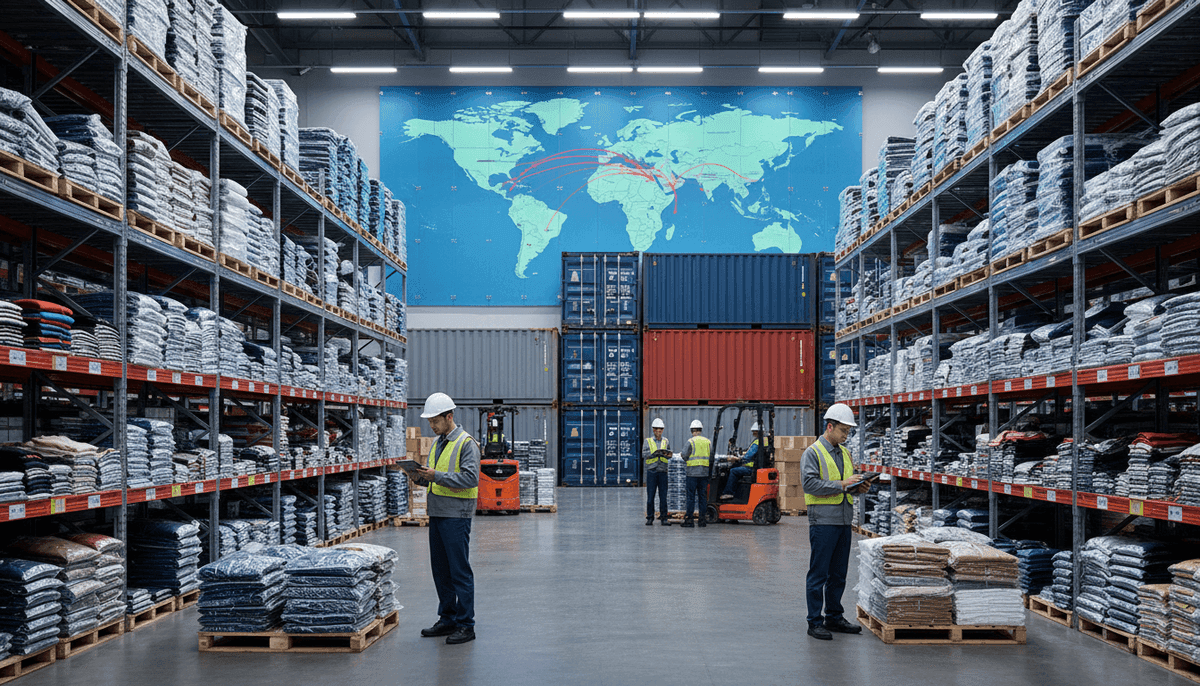
Latin American apparel manufacturers benefit from established logistics networks serving US importers. Major ports in Mexico, Guatemala, Honduras, and the Dominican Republic offer efficient container services and customs clearance procedures. Understanding tariff classifications, rules of origin, and trade agreement benefits is crucial for optimizing import costs. US Customs and Border Protection provides detailed guidance on import regulations and compliance requirements for apparel products.
Finding and Evaluating Factories
Successful factory discovery in Latin America requires systematic research and due diligence. Industry directories, trade shows, and sourcing platforms connect importers with verified manufacturers. Global trade platforms and regional sourcing networks facilitate connections between buyers and suppliers. Site visits, sample evaluations, and reference checks from existing clients help ensure manufacturing partners meet quality and reliability standards. Negotiating wholesale pricing, payment terms, and production schedules requires clear communication and documented agreements.
Future Trends in Latin American Apparel Manufacturing
The region continues evolving with increased automation, digital supply chain integration, and sustainability initiatives. Industry analysts project continued growth in nearshoring trends, particularly for US importers seeking supply chain resilience. Investment in advanced manufacturing technologies and skilled workforce development positions Latin American factories for competitive advantage. Emerging capabilities in customization, small-batch production, and rapid prototyping create opportunities for importers seeking flexible manufacturing partners.
Latin America's apparel manufacturing hubs offer US importers diverse sourcing options combining competitive pricing, quality production, and strategic geographic advantages. Whether seeking high-volume wholesale suppliers or specialized manufacturing capabilities, the region's established factories and growing innovation ecosystem provide reliable pathways for successful product sourcing and import operations.