Top 5 Women's Activewear Brands - Lessons That Can Be Learned About Their Product Strategy
- 1. Lululemon Athletica - Premium Positioning and Vertical Integration
- 2. Nike - Scale, Innovation, and Multi-Channel Distribution
- 3. Athleta - Sustainability and Ethical Sourcing
- 4. Gymshark - Direct-to-Consumer and Community Building
- 5. Outdoor Voices - Minimalism and Functional Design
- Key Lessons for Importers and Wholesalers
- Sourcing Activewear - Practical Considerations
- Conclusion
The women's activewear market has experienced explosive growth over the past decade, transforming from a niche segment into a multi-billion dollar industry. Understanding the product strategies of leading brands provides valuable insights for importers, wholesalers, and manufacturers looking to source and distribute activewear products in the US market. This article examines the top five women's activewear brands and extracts actionable lessons about their approach to product development, supply chain management, and market positioning.
1. Lululemon Athletica - Premium Positioning and Vertical Integration
Lululemon has built its empire on a premium positioning strategy combined with vertical integration of manufacturing and distribution. The brand maintains tight control over its supply chain by working with a carefully curated network of manufacturers, primarily in Asia, while keeping design and quality control in-house. For importers and wholesalers, Lululemon's strategy demonstrates the value of establishing long-term relationships with reliable factory partners who can maintain consistent quality standards.
The brand's focus on technical fabrics and proprietary materials shows that investing in product innovation and exclusive manufacturing capabilities can justify premium pricing. When sourcing activewear for wholesale distribution, understanding fabric composition, durability testing, and performance metrics becomes critical to competing in the premium segment.
2. Nike - Scale, Innovation, and Multi-Channel Distribution
Nike's dominance in women's activewear stems from its massive scale, continuous innovation, and sophisticated distribution network. The company sources from hundreds of factories across multiple countries, leveraging economies of scale while maintaining quality through rigorous supplier auditing and compliance programs. For US importers, Nike's approach highlights the importance of diversifying manufacturing sources to mitigate supply chain risks and reduce lead times.
Nike's investment in research and development translates into products with advanced performance features, from moisture-wicking technologies to ergonomic designs. Wholesale buyers and importers should prioritize sourcing from manufacturers who invest in R&D capabilities and can provide technical specifications that appeal to performance-conscious consumers. Nike's commitment to innovation extends across all product categories and price points.
3. Athleta - Sustainability and Ethical Sourcing
Athleta, owned by Gap Inc., has differentiated itself through a strong commitment to sustainability and ethical manufacturing practices. The brand transparently shares information about its factory partners and manufacturing locations, appealing to conscious consumers willing to pay premium prices for responsibly sourced products. For importers and wholesalers, this strategy underscores the growing importance of supply chain transparency and ethical sourcing in the activewear market.
Sourcing activewear from factories certified by organizations like Fair Trade, GOTS (Global Organic Textile Standard), or B Corp demonstrates commitment to sustainable practices. Wholesale distributors can leverage these certifications as marketing advantages and command higher margins by positioning products as ethically produced. Athleta's sustainability initiatives have become a core part of their brand identity and product strategy.
4. Gymshark - Direct-to-Consumer and Community Building
Gymshark revolutionized the activewear industry by building a direct-to-consumer brand with a passionate community of fitness enthusiasts. The brand's product strategy focuses on understanding its target audience deeply and creating products that address specific needs identified through community feedback. For importers and manufacturers, Gymshark's approach demonstrates the value of market research and consumer insights in product development.
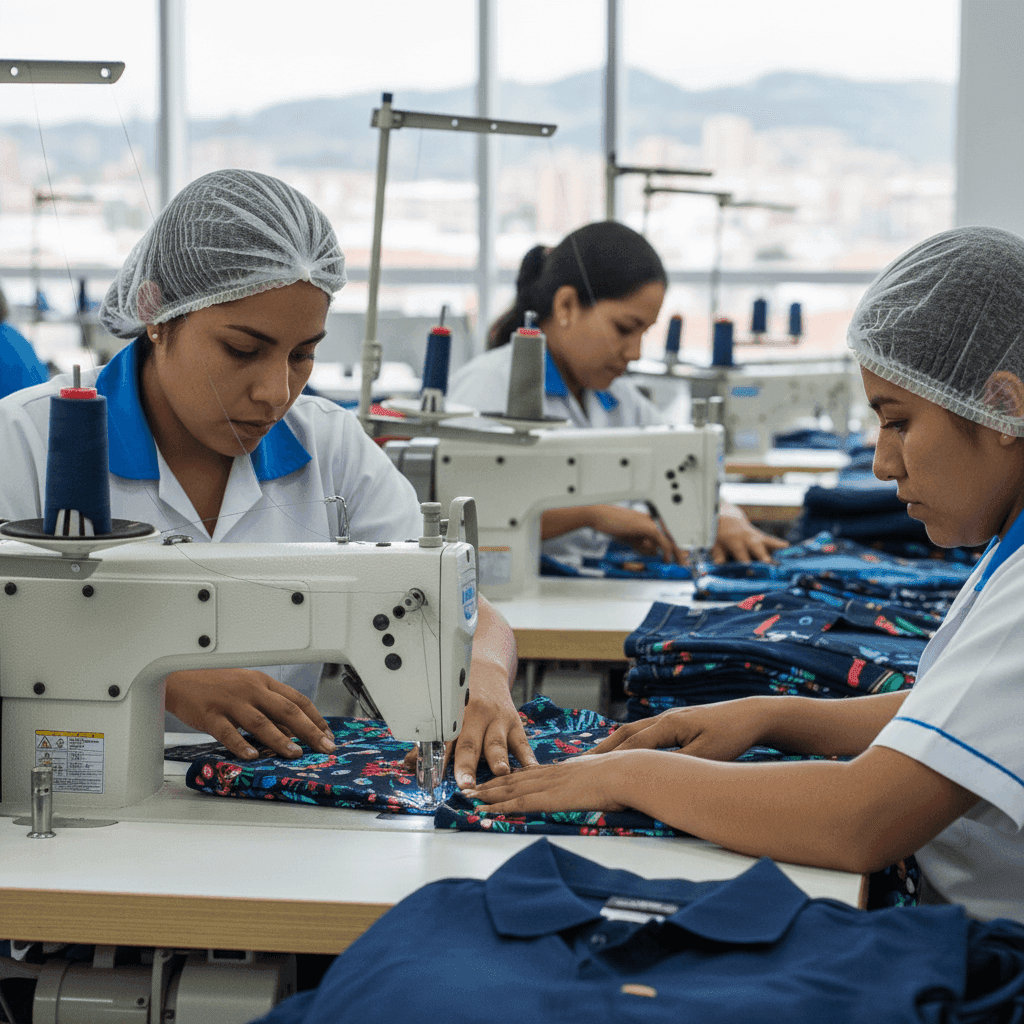
The brand sources from manufacturers who can handle smaller production runs and faster turnaround times, enabling rapid iteration based on customer feedback. This agile manufacturing approach requires partnerships with flexible factories capable of quick sampling and production adjustments. Wholesale buyers should seek manufacturers who offer these capabilities to remain competitive in a fast-moving market.
5. Outdoor Voices - Minimalism and Functional Design
Outdoor Voices has carved out a niche by emphasizing minimalist design and functional simplicity in activewear. The brand's product strategy rejects unnecessary embellishments in favor of clean aesthetics and practical features. This approach appeals to consumers seeking versatile pieces that transition seamlessly from gym to everyday wear, expanding the addressable market for activewear products.
For importers and wholesalers, this strategy highlights the importance of understanding evolving consumer preferences toward versatility and sustainability. Sourcing products with timeless designs and high-quality construction ensures longer product lifecycles and better wholesale margins. Outdoor Voices' design philosophy demonstrates how simplicity can be a powerful differentiator in a crowded market.
Key Lessons for Importers and Wholesalers
Several critical lessons emerge from analyzing these five leading brands. First, supply chain relationships matter enormously. Whether pursuing premium positioning like Lululemon or agile manufacturing like Gymshark, establishing strong partnerships with reliable manufacturers is essential. Second, product innovation and technical specifications drive competitive advantage. Importers should prioritize sourcing from factories that invest in fabric technology and performance testing.
Third, sustainability and ethical sourcing are no longer optional differentiators but increasingly expected by consumers and retailers. Fourth, understanding your target market deeply informs product development decisions. Finally, supply chain flexibility enables brands to respond quickly to market trends and consumer feedback, a capability that wholesale distributors must demand from their manufacturing partners.
Sourcing Activewear - Practical Considerations
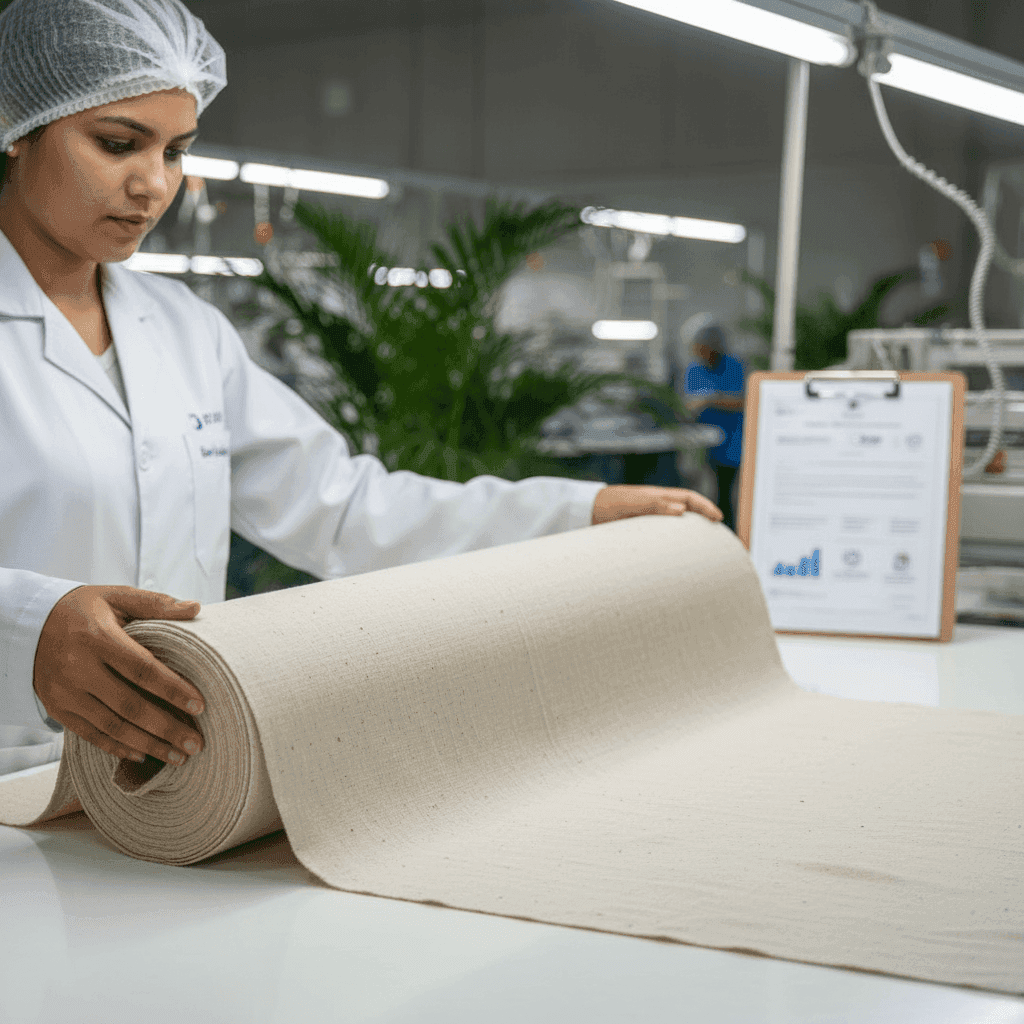
When sourcing women's activewear for wholesale distribution, several factors require careful attention. Fabric sourcing is critical—understanding suppliers of performance fabrics, sustainable materials, and specialty textiles directly impacts product quality and margins. Global sourcing platforms like Alibaba connect importers with manufacturers, though due diligence on factory capabilities and compliance is essential.
Quality control and compliance with US import regulations, including tariff classifications and labeling requirements, cannot be overlooked. Working with experienced customs brokers and quality assurance partners ensures smooth import processes and reduces delays. The US International Trade Administration provides resources for importers navigating trade regulations and finding reliable suppliers.
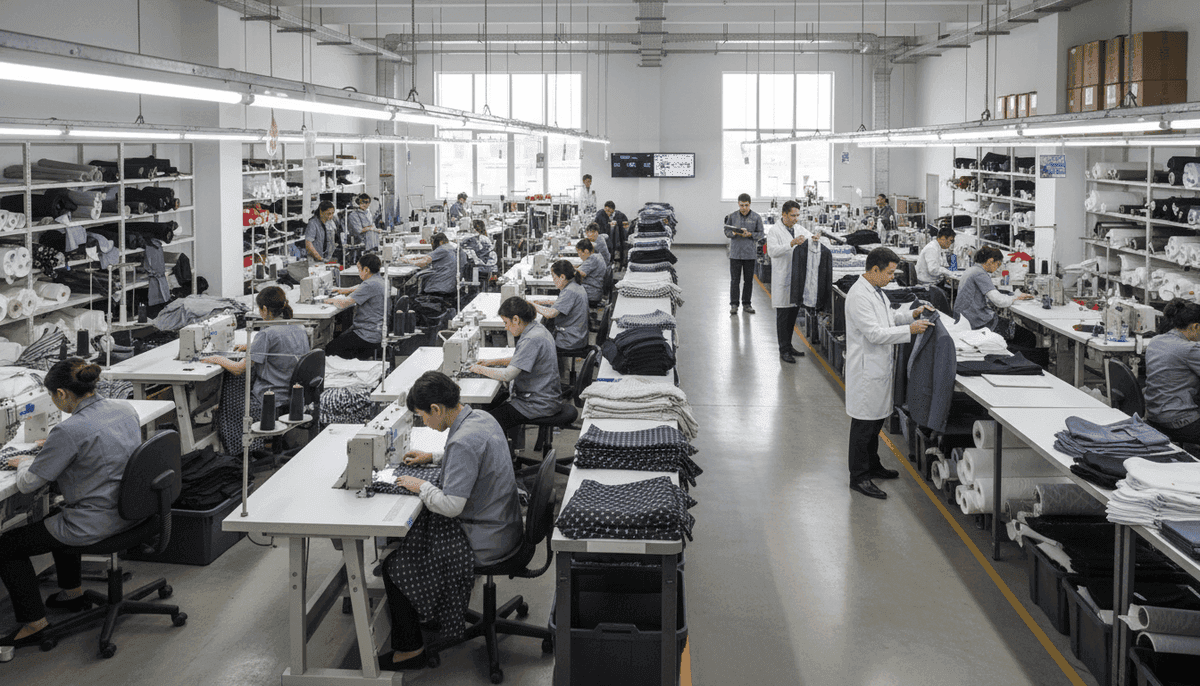
Factory audits and site visits help verify manufacturing capabilities, quality standards, and ethical practices. Building long-term relationships with manufacturers enables better pricing, priority production slots, and collaborative product development. Third-party auditing organizations like BSCI provide independent verification of factory compliance and working conditions.
Conclusion
The top women's activewear brands succeed through different strategies—premium positioning, scale and innovation, sustainability, community building, and minimalist design—but all share common threads: deep understanding of their markets, strong supply chain partnerships, and commitment to product quality. For importers, wholesalers, and manufacturers, these lessons translate into actionable strategies for sourcing, distributing, and marketing activewear products in the competitive US market. By prioritizing supplier relationships, investing in product innovation, embracing sustainability, and remaining responsive to market trends, wholesale distributors can build successful activewear businesses that compete effectively alongside established brands.