Mexico's Strategic Tariff Wall - Protecting North American Supply Chains
- Mexico's Strategic Tariff Wall: Protecting North American Supply Chains
- The Context: Why Mexico's Tariff Strategy Matters
- Understanding the 35% Tariff Structure
- Nearshoring Strategies in the New Tariff Environment
- Regional Manufacturing Integration and USMCA Compliance
- Implications for US Importers and Wholesale Trade
- The July 2026 USMCA Review: What to Expect
- Actionable Steps for Importers and Sourcing Professionals
- Conclusion: A Structural Shift in North American Supply Chains
Mexico's Strategic Tariff Wall: Protecting North American Supply Chains
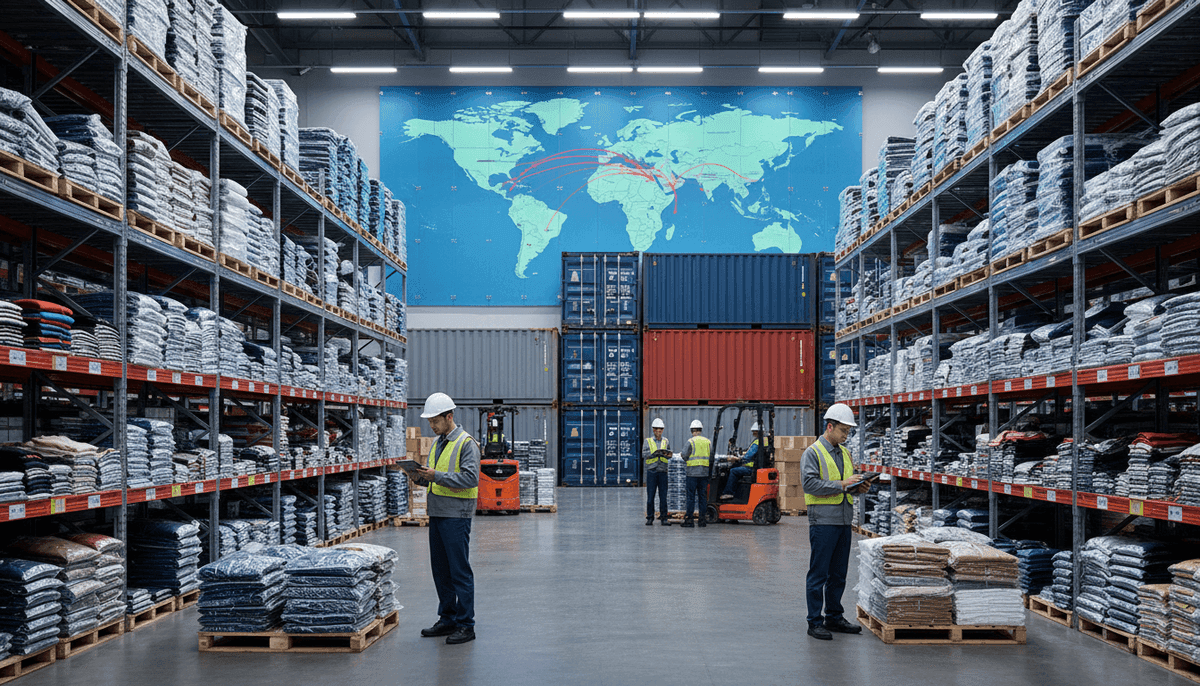
Mexico has fundamentally reshaped the competitive landscape for product sourcing and US imports by implementing tariffs up to 35% on non-FTA goods from China and Asia. This strategic move signals a critical shift in nearshoring strategies and regional manufacturing integration that directly impacts wholesale trade, factory discovery, and supply chain decisions for importers across North America.
The Context: Why Mexico's Tariff Strategy Matters
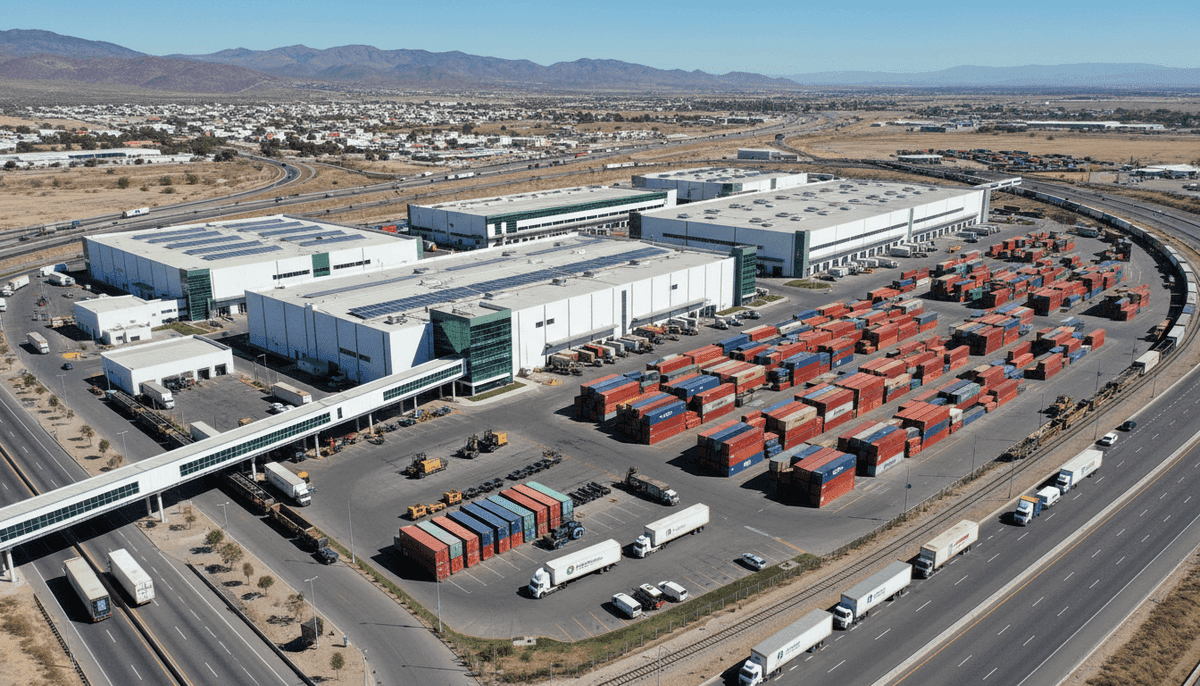
For decades, China and Asian manufacturers leveraged Mexico as a transshipment hub, circumventing tariffs and trade restrictions by routing goods through Mexican ports and border crossings. This "back door" to US markets allowed non-USMCA compliant products to enter North America with minimal friction. Mexico's new tariff regime closes this loophole, fundamentally altering how product sourcing professionals must approach factory discovery and supplier selection in the region.
The timing is critical. With the USMCA review scheduled for July 2026, Mexico is demonstrating its commitment to the agreement's core principles: regional manufacturing integration and protection of North American supply chains. For US importers and wholesale trade professionals, this represents both a challenge and an opportunity to recalibrate sourcing strategies.
Understanding the 35% Tariff Structure
Mexico's tariff framework targets non-FTA goods, meaning products that do not qualify under the United States-Mexico-Canada Agreement receive the highest duties. This creates a clear incentive structure: goods manufactured in USMCA-compliant facilities or sourced from FTA partners face significantly lower barriers than those from China, Vietnam, India, and other Asian suppliers.
For product sourcing professionals, this means the cost advantage of Asian manufacturing has narrowed considerably when factoring in Mexican tariffs. A product that previously cost $10 to manufacture in China and $0.50 to transship through Mexico now faces an additional $3.50 in tariffs (35% of the manufacturing cost), making the total landed cost $14 instead of $10.50. This economic reality is driving immediate reconsideration of nearshoring strategies.
Nearshoring Strategies in the New Tariff Environment
The tariff wall creates compelling economics for nearshoring. Manufacturers in Mexico, the United States, and Canada now have a structural cost advantage over Asian competitors. For importers focused on wholesale trade and factory discovery, this means:
- Mexican manufacturing facilities become more competitive for products destined for North American markets
- US-based production reshoring becomes economically viable for certain product categories
- Supply chain resilience improves through reduced geographic concentration
- Lead times shorten, enabling faster inventory turnover and reduced working capital requirements
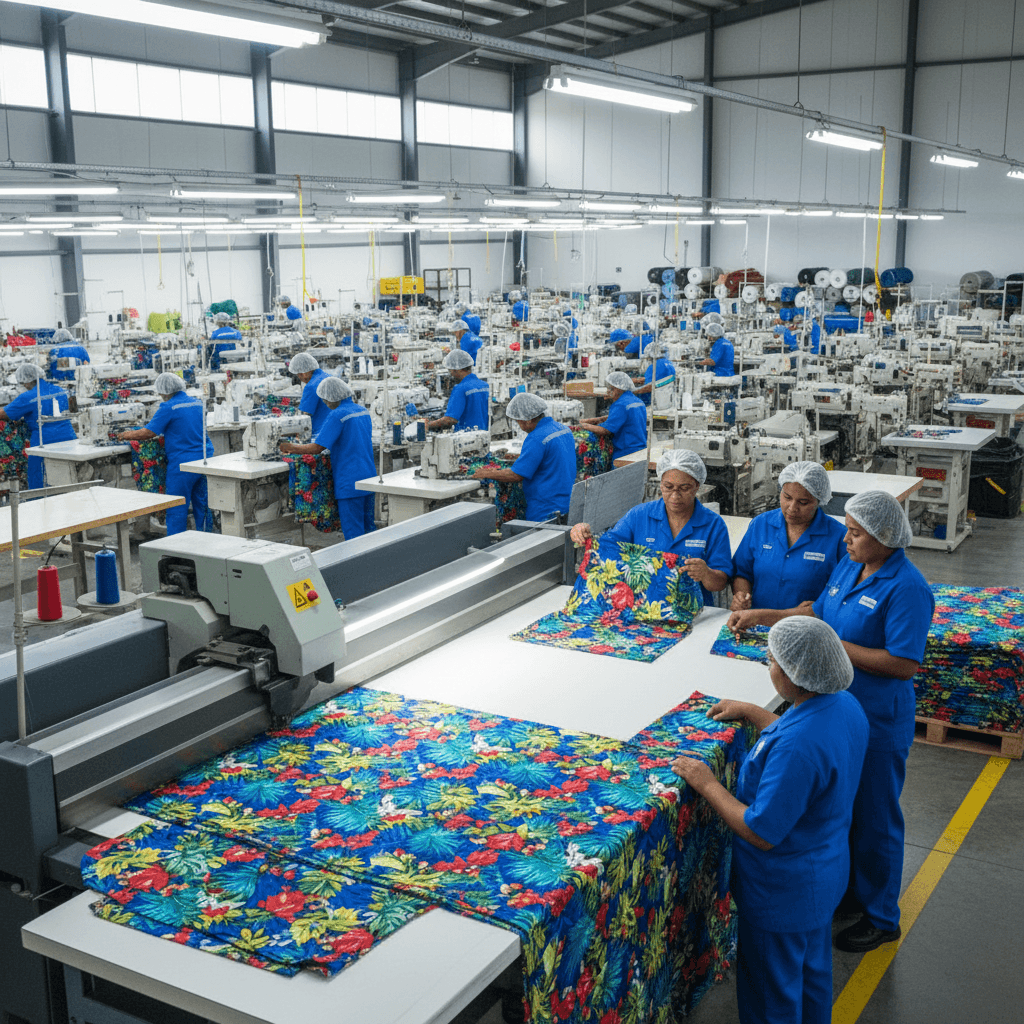
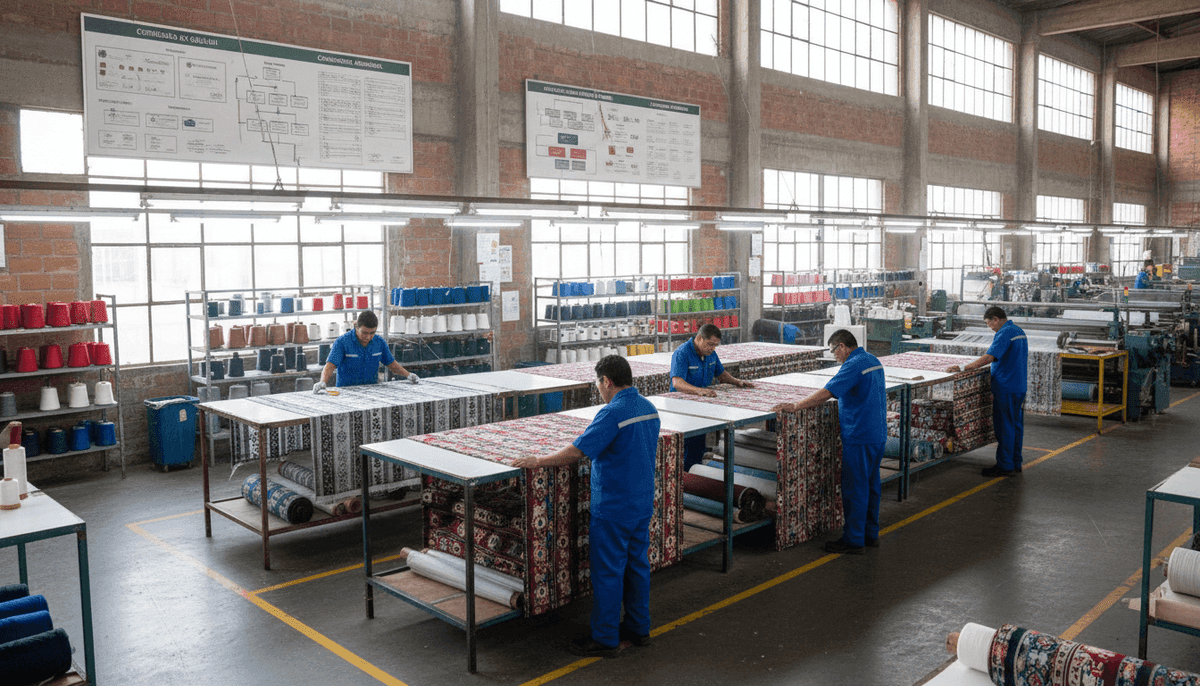
Companies that have already invested in nearshoring infrastructure are positioned to capture significant market share from competitors still dependent on Asian sourcing. For product sourcing teams, this is the moment to evaluate factory discovery opportunities in Mexico's industrial corridors, particularly in automotive, electronics, textiles, and consumer goods sectors.
Regional Manufacturing Integration and USMCA Compliance
Mexico's tariff strategy directly supports USMCA's core objective: creating a genuinely integrated North American manufacturing base. The agreement requires specific rules of origin for products to qualify for preferential tariff treatment. By raising the cost of non-compliant goods, Mexico incentivizes manufacturers to source materials and components from within the USMCA region.
This has profound implications for supply chain architecture. Importers must now evaluate not just the direct manufacturing cost, but the entire value chain. A product manufactured in Mexico using USMCA-compliant inputs qualifies for preferential treatment, while the same product manufactured in Mexico using Chinese components faces the full 35% tariff. This distinction fundamentally changes factory discovery priorities and supplier evaluation criteria.
Implications for US Importers and Wholesale Trade
For US importers, the tariff wall presents several strategic considerations. First, landed costs for Asian-sourced products have increased materially. Second, Mexican manufacturing capacity has become more attractive on a total-cost basis. Third, supply chain diversification away from China reduces geopolitical risk and regulatory uncertainty.
Wholesale trade professionals should expect price increases for products currently sourced from Asia and transshipped through Mexico. However, they should also anticipate new product availability from Mexican manufacturers as nearshoring accelerates. The transition period—between now and the July 2026 USMCA review—represents a window for strategic repositioning.
Companies that proactively engage in factory discovery in Mexico, evaluate USMCA compliance requirements, and restructure their sourcing strategies will gain competitive advantage. Those that delay risk margin compression as competitors capture the benefits of lower-cost nearshoring.
The July 2026 USMCA Review: What to Expect
Mexico's tariff implementation is a clear signal ahead of the USMCA review. The agreement includes a provision for comprehensive review in 2026, and Mexico is demonstrating that it intends to strengthen, not weaken, regional manufacturing integration. This suggests the review may result in:
- Stricter rules of origin requirements for certain product categories
- Enhanced enforcement mechanisms against transshipment and tariff circumvention
- Potential expansion of tariff coverage to additional product categories
- Increased investment in border infrastructure and customs modernization
For product sourcing professionals, the message is clear: the window for Asian sourcing through Mexican transshipment is closing. Strategic repositioning toward nearshoring and USMCA-compliant supply chains is no longer optional—it is essential.
Actionable Steps for Importers and Sourcing Professionals
Organizations should take immediate action to assess their exposure to Mexico's tariff regime. This includes conducting a comprehensive audit of current sourcing patterns, identifying products affected by the tariffs, and evaluating the total cost of ownership for alternative sourcing strategies. The US International Trade Commission provides detailed USMCA compliance resources to support this analysis.
Factory discovery in Mexico should focus on regions with established manufacturing ecosystems: Monterrey for automotive and industrial goods, Guadalajara for electronics, and the Bajío region for consumer products. Engaging with Mexican trade associations and industry groups can accelerate the identification of qualified suppliers and manufacturers.
Additionally, importers should evaluate nearshoring opportunities in the United States. Reshoring certain product categories may be economically viable when total costs—including tariffs, logistics, and supply chain risk—are fully considered. The Reshoring Initiative provides data on US manufacturing capacity and capabilities across industries.
Finally, organizations should monitor developments ahead of the July 2026 USMCA review. Policy changes, tariff adjustments, and rules of origin modifications could significantly impact sourcing strategies. Staying informed through trade publications and industry associations is essential for maintaining competitive advantage.
Conclusion: A Structural Shift in North American Supply Chains
Mexico's strategic tariff wall represents a structural shift in North American supply chains, not a temporary trade measure. By raising the cost of non-FTA goods from Asia, Mexico is accelerating the transition toward regional manufacturing integration and nearshoring. For product sourcing professionals, wholesale trade companies, and US importers, this creates both urgency and opportunity.
The companies that recognize this shift and act decisively—repositioning sourcing strategies, engaging in factory discovery in Mexico and the United States, and ensuring USMCA compliance—will emerge stronger. Those that delay risk competitive disadvantage as the cost structure of global trade fundamentally changes. The time to act is now, before the July 2026 USMCA review potentially locks in even stricter requirements. For more insights on tariff impacts and trade policy, the World Bank's WITS database provides comprehensive tariff and trade data, while US Customs and Border Protection offers detailed guidance on USMCA compliance and tariff classification. Industry-specific analysis is available through the National Association of Manufacturers, which tracks nearshoring trends and supply chain developments across sectors.