The Post De Minimis Era: Impact of the $800 Exemption Elimination
Overview
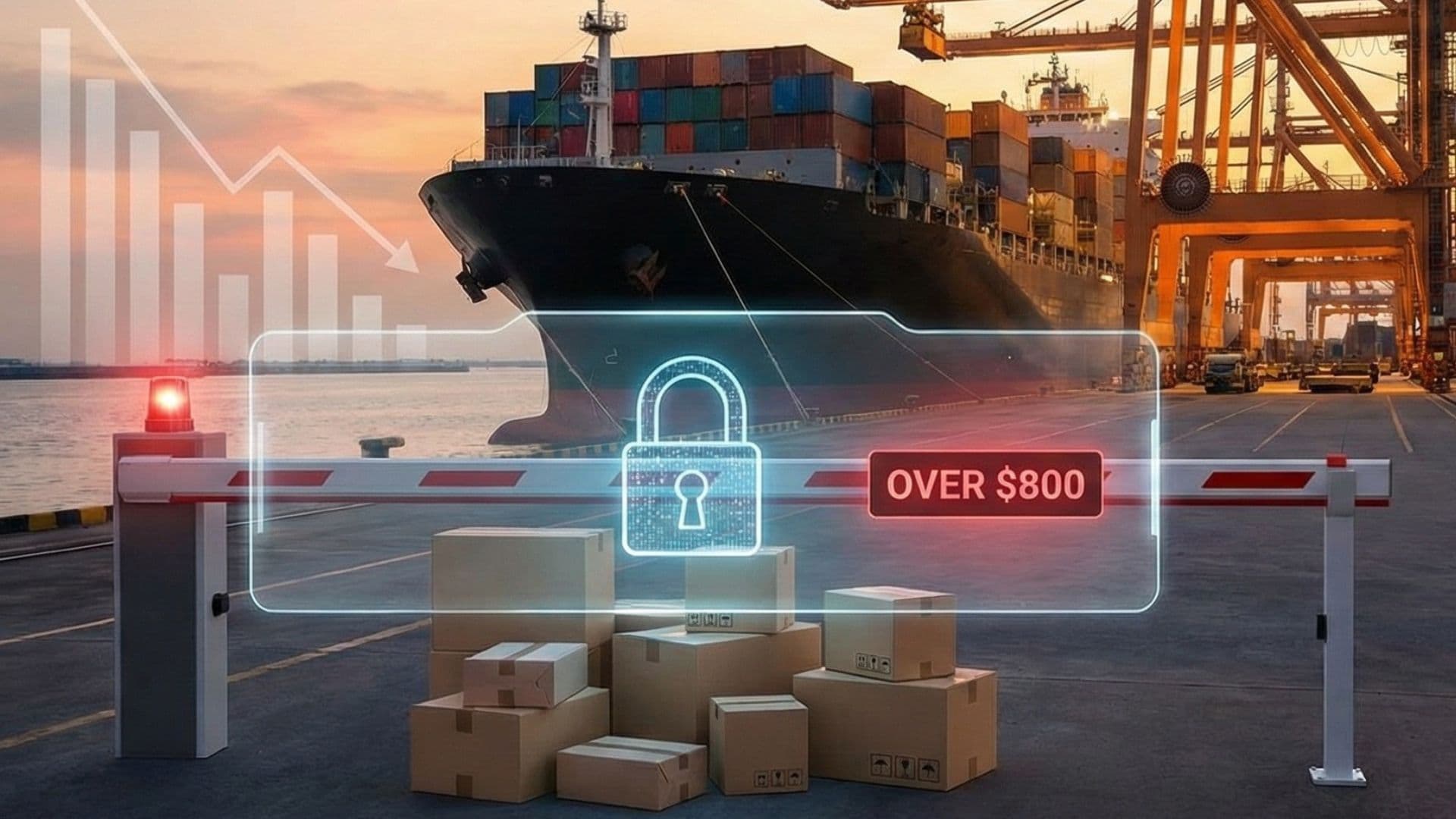
Since August 2025 the removal of the de minimis exemption for low value imports has reshaped cross border trade. Shipments that once cleared with minimal friction now face per package duties and higher compliance overhead. This article explains the practical consequences for ecommerce marketplaces, wholesale trade players, and product sourcing teams focused on US imports and factory discovery.
What changed in practice
Under the new regime each parcel entering the US is evaluated for duty and tax. The result is a sharp decline in low value imports and a new cost equation for suppliers and sellers. Importers must now manage per package classification, valuation, and bond requirements that used to be unnecessary for many small shipments.
Market impact for large marketplaces
Large marketplaces that scaled on high volume low price parcels have to redesign logistics and pricing. Platforms now face higher customer acquisition costs as landed prices rise. Many are shifting to consolidated shipments to ports with last mile distribution in the US, or they are offering new subscription or threshold free shipping tiers that absorb duty cost.
Consequences for small businesses and resellers
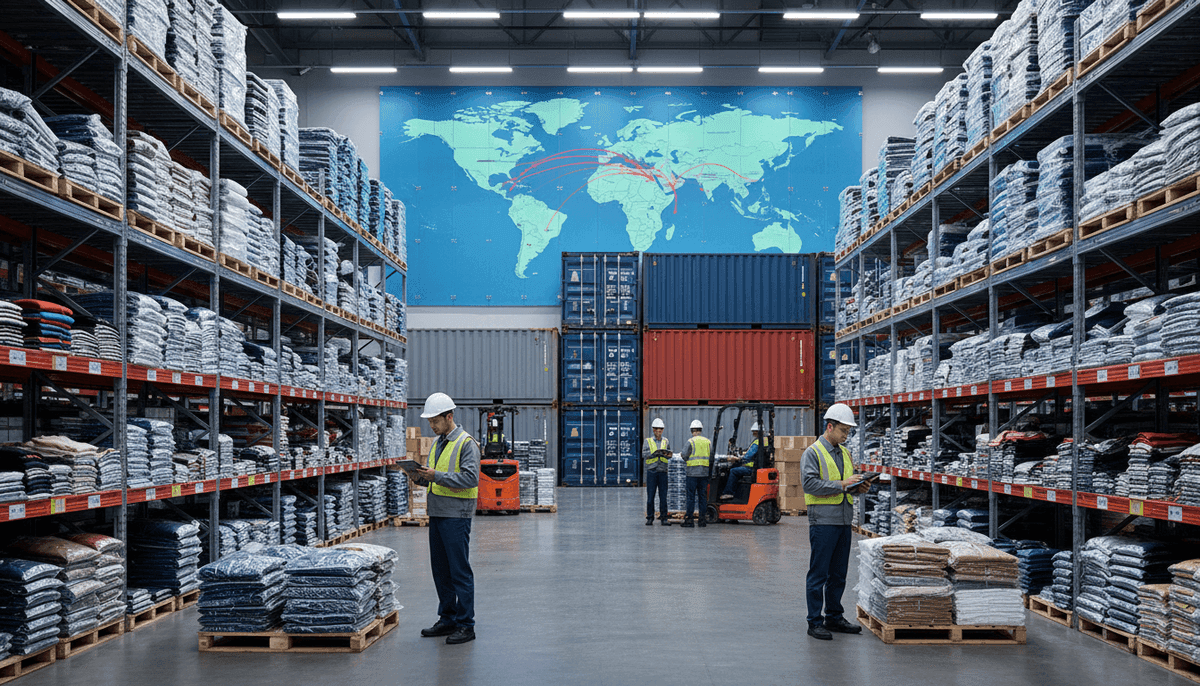
Small brands and resellers that relied on direct to consumer cross border shipping face immediate margin pressure. Some strategies that emerged include moving to domestic warehousing, partnering with fulfillment providers that handle customs clearance, and changing minimum order sizes to reduce per unit duty impact. For many, factory discovery now emphasizes partners willing to ship bulk consolidated containers to a US warehouse.
Practical sourcing strategies
Product sourcing teams should adopt these practical moves: build supplier contracts that include export documentation, negotiate landed cost terms, source minimum order quantities that support consolidation, and prioritize factory partners with experience in US import compliance. Using a cost model that embeds duties at the sku level will help pricing decisions and wholesale trade negotiations.
Compliance and customs operations
Operational changes include upgrading classification accuracy for tariff codes, capturing precise country of origin evidence, and using automated systems for importer of record filings. Working with customs brokers that offer parcel level reconciliation and using customs rulings when possible reduces risk. Safety nets such as customs bonds and post entry adjustments become part of regular operations.
Logistics and last mile adaptation
Shippers can mitigate the new per package cost by consolidating at origin, using bond warehouses in the US, and batching orders into fewer inbound entries. Domestic fulfillment in target markets often becomes cheaper after duties and handling are included. Logistics teams should map lead times and landed cost trade offs by channel to decide between direct to consumer and bulk to store models.
Case studies and numbers to watch
Early indicators show a steep decline in low value parcels and a reorientation of supplier selection toward factories that support consolidation. Procurement teams should track landed cost per unit, average duty per parcel, and parcel volume by supplier to measure the impact. Monitoring these KPIs helps product sourcing, factory discovery, and wholesale trade planning.
Recommendations for buyers and suppliers
Buyers should: work with brokers early, require complete export paperwork from factories, and test consolidated shipping lanes. Suppliers should: provide full commercial invoices, support third party inspection, and offer flexible MOQ options that facilitate consolidation. Both sides should model scenarios that include duty volatility and changing tariff lines.
Further reading
For background on US trade rules and current developments see coverage from trusted outlets: U S Customs and Border Protection, Bloomberg, The Wall Street Journal, The New York Times, and Financial Times. These sources provide ongoing coverage of policy shifts that affect importers and the broader wholesale trade ecosystem.